Feeding a household well while keeping the weekly shop in check can feel like a tug of war. It isn't. Some of the cheapest things on the supermarket shelves — oats, dried lentils, frozen peas, tinned sardines — are also among the most nutritious. The difference between a cheap shop and a poor one is usually planning, not deprivation.
What follows is a practical routine: how to spend less, waste less and still put balanced meals on the table. None of it needs unusual ingredients or hours in the kitchen.
Start with your bin, not your trolley
Before changing what you buy, look at what you throw away. For one week, note everything that ends up in the bin: the half bag of salad, the leftover rice nobody claimed, the bread that went stale in the bread bin. Most households are surprised by the pattern once it's written down.
Then fix the specific leaks rather than the whole shop at once. If salad dies within days, buy it less often and lean on cabbage, carrots and frozen vegetables, which keep far longer. If bread goes stale, freeze it sliced and toast it straight from frozen. If you cook too much on Tuesday, that isn't a failure — it's Wednesday's lunch.
Plan five dinners, then shop once
Do a two-minute inventory of the fridge, freezer and cupboards before you write anything down. Build the week's meals around what's already there, adding only the missing pieces. Aim for five dinners rather than seven; the remaining nights can absorb leftovers, a jacket potato, or whatever the week throws at you.
Shopping once, with a list, cuts both the impulse buys and the top-up trips that quietly cost the most. Check the reduced section for yellow-sticker items you were planning to buy anyway — meat, fish, bread and dairy all freeze well. But don't buy a bargain you have no plan for. That's just a slower way of wasting money.
Own-brand basics are not a compromise
Most supermarkets' entry-level own-brand ranges cover flour, oats, rice, pasta, tinned tomatoes, pulses, frozen vegetables and milk. These are commodity foods, and the contents are much the same as the branded version two shelves up.
Where budget versions do differ is in composite products: sausages, ready meals, cereals, flavoured yoghurts, jarred sauces. There, the cheapest option may contain more water, salt or sugar and less of the ingredient you're actually paying for. Read the label and compare per 100g rather than per pack — it's the only fair comparison, and it takes seconds.
Build meals from a short list of cheap staples
A handful of inexpensive ingredients can cover most of what a balanced diet needs: fibre, protein, vitamins, minerals and enough fat to keep you full. Keep a stock of:
- Oats — porridge, crumble topping, a thickener for soups
- Eggs — one of the most versatile and affordable sources of protein
- Dried or tinned pulses — lentils, chickpeas, kidney beans, butter beans
- Frozen vegetables — peas, spinach, sweetcorn, mixed veg
- Tinned tomatoes and tomato purée
- Wholemeal pasta, rice and bread
- Plain yoghurt or milk
- Tinned or frozen fish — sardines, mackerel, salmon trimmings
- Potatoes, onions, carrots and whatever seasonal vegetables are cheapest that week
With those on hand you can make lentil bolognese, chickpea curry, fishcakes, vegetable soup, omelettes, pasta bakes and a dozen other meals without going back to the shop. A cheap meal should be a combination of good things, not a smaller version of an expensive one.
Frozen and tinned deserve more respect
Frozen vegetables are picked and frozen quickly, which preserves their nutrients, and they are often as good as fresh — better, in fact, than fresh produce that has spent a week slowly wilting in the fridge. Use them without guilt. Tinned pulses and tomatoes are cheap, keep for months and form the base of countless dinners.
Two practical notes. Rinse tinned beans and lentils to wash away some of the added salt. And keep an eye on tinned soups, sauces and ready meals, where sugar and salt can creep up; the ingredient list is the quickest way to judge what you're buying.
Cook once, eat twice
Batch cooking is where the savings multiply. Double the chilli, curry, stew or soup you were making anyway. Cool it quickly, refrigerate, and eat within a couple of days or freeze in portions. Roast a whole chicken and you have a Sunday meal, then sandwiches, then a stock made from the carcass for a midweek soup. A bag of tired vegetables becomes soup rather than rubbish.
Keep a "use first" shelf in the fridge — the food that needs eating next — and check it before deciding what to cook. That single habit prevents a surprising amount of waste.
Where not to cut
Some savings cost more than they're worth. Protein, fibre, fruit and vegetables should stay in the shop even in a lean week; they're what make a meal filling and stop you snacking an hour later. Cheap calories from crisps, biscuits and fizzy drinks satisfy briefly and leave you hungry, which usually means spending again.
Skipping meals to save money tends to backfire, too. And if you have a medical condition, are pregnant, or are cooking around allergies or a child's dietary needs, speak to a GP or registered dietitian before making significant changes to what you eat.
A weekly routine that sticks
None of this works as a one-off. Give it twenty minutes the day before you shop: check the cupboards, plan five dinners, write the list, then shop once and stick to it. Buy the fruit and vegetables that are in season or reduced, and let them shape the week rather than the other way round.
Add one batch-cook session, a running list on the fridge door of what has run out, and a quick check of the "use first" shelf each evening. Taken together, those habits do more for your food bill than any single swap.
If money is genuinely tight, asking for help early is sensible rather than embarrassing. Citizens Advice can check what support you're entitled to, and community fridges, food banks and local larders exist for exactly this situation. Eating well on less is a skill, and like any skill it gets easier with practice.
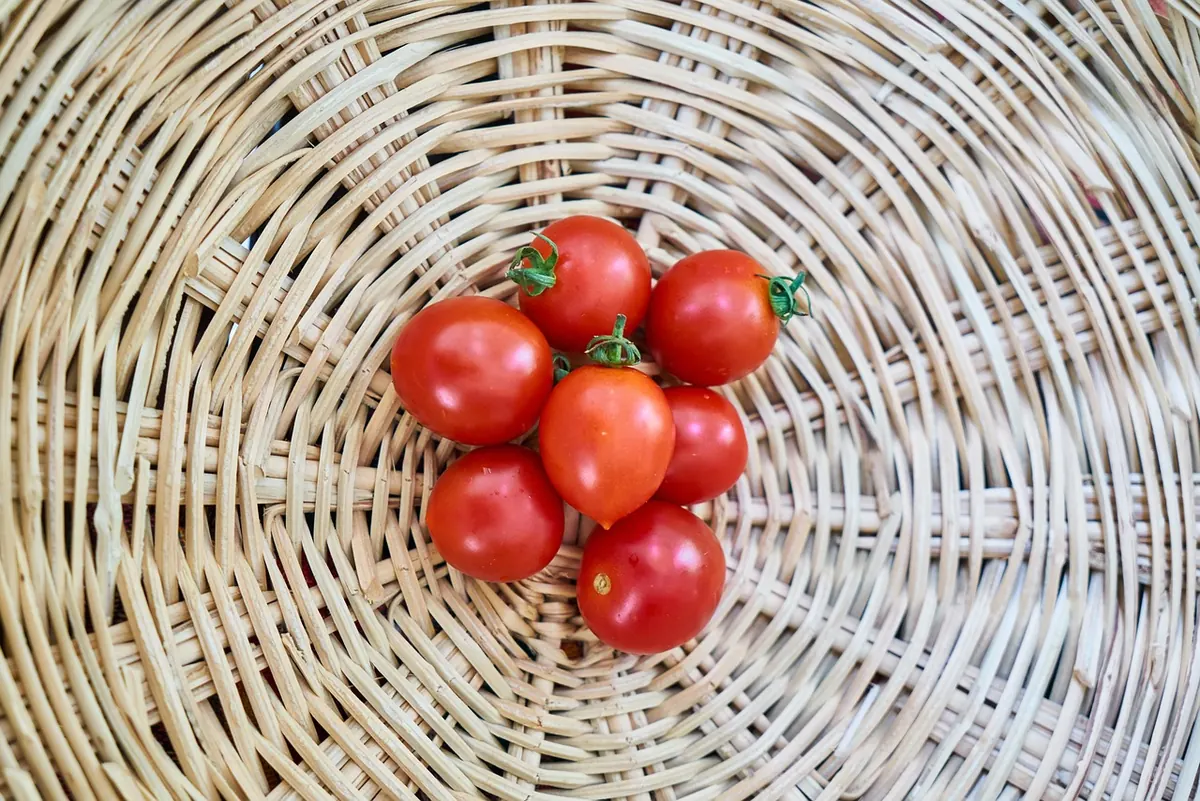
Photo: Engin_Akyurt / Pixabay